01 · The table
My family is the reason this exists.
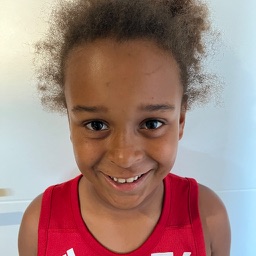
It started the way the best afternoons with my kids do: a mountain of Pokémon cards dumped across the kitchen table, Kingston begging to trade, me just wanting to be in it with them. We'd sort them for hours. Somewhere in the middle of it I stopped seeing cardboard and started seeing the afternoons — the ones I'd want back in twenty years. Maybe you've got a table like that too. This is what we built around ours.

02 · The lessons
A card teaches more than you'd think.
Trading one is a negotiation. Making a deal is a lesson in what things are really worth. Walking up to a stranger at a card shop is how a shy kid learns to make a friend. Sit down over something your kids love and they pick up the real skills almost by accident — reading people, holding a line, knowing when to walk away, waiting for the right moment. Those hours together teach more than we ever could by explaining. All we wanted were tools that kept it honest: a clear price on every card, real comparisons, a simple way to know what's fair. So the lessons stay about your kids, not the guesswork.
03 · The long view
Patience is easier to watch than to explain.
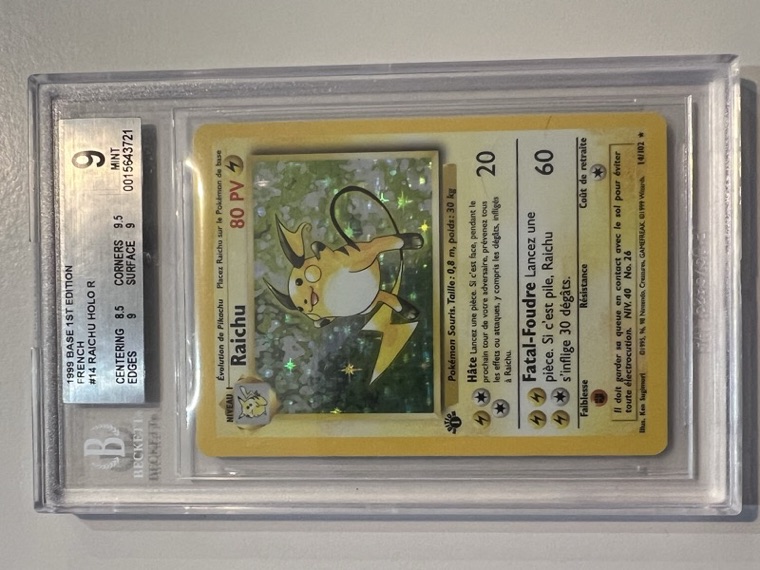
Once Kingston cared about a card, he wanted to know what it was worth — so we started checking in on it together. Not every day; just now and then, the way you measure a kid against the door frame. Watching a number move slowly teaches the thing no lecture can: good things take time, and you don't have to touch something for it to grow. We built the tracking to be calm on purpose — no pings, no pressure to trade — so a card can drift quietly in the background while life happens in front of it. One day you look back and the whole story's there.
Illustrative price history — not real market data.
04 · Letting go
Some you keep. Some you let go.
Some of that story is letting go. We don't keep everything — and that's a lesson too. Deciding to sell a card you love is a small, real exercise in what something is actually worth to you, and in being okay when it leaves. When one does, the app just quietly notes what it did on its way out — what we paid, what it sold for, what it added to the pile — so the choice is remembered without being fussed over. Cards come and go. What they taught us on the way doesn't.
- Bought
- $420
- Sold
- $1,180
- Realized gain
- +$760
Left your collection — still counted toward your total ✓
05 · The first sale
His first pull sold in an hour.
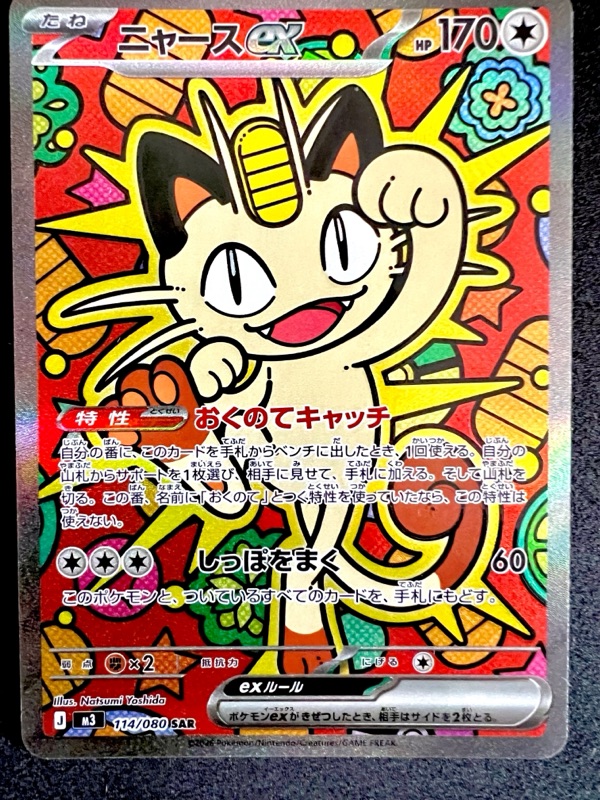
The first time Kingston felt all of that himself, it was a Meowth. He pulled the shiny SAR — 114/080 — from his very first pack and wanted to sell it before dinner. We listed it on Vinted that evening and it was gone within the hour, about $70. He'd started with 27 euros; his little profile is worth more than that now, and he did it himself. Everything above — the trading, the watching, the letting go — happened in one afternoon over one card.
06 · The horizon
Start at five. Still yours at thirty.
That's the part I can't get over. Almost everything we buy our kids is gone by next year — this isn't. A card picked up at five can still be in their hands at thirty, worth more sometimes, but always worth something. Whatever age you're starting at, and whoever you're starting with, the best day to begin was years ago. The second best is today.
Illustrative — not a forecast.
Built from the heart.
CardWallet is a project we make for ourselves first — and share with anyone who loves this the way we do. If a pile of cards ever meant something to you, start there. We'll help you carry it.